CASE STUDY
MINDFUL MEADOWLANDS, SANDRINGHAM
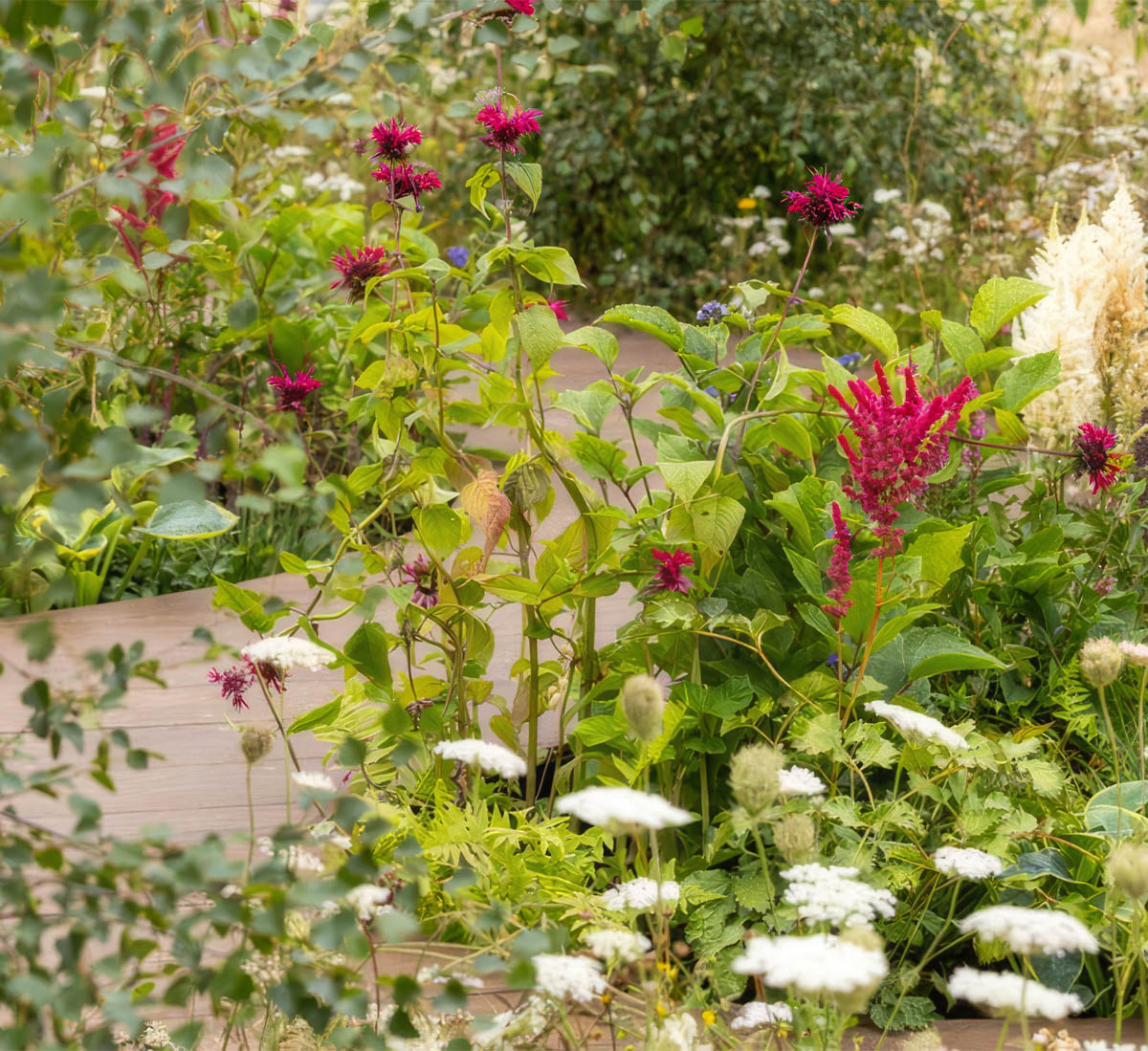
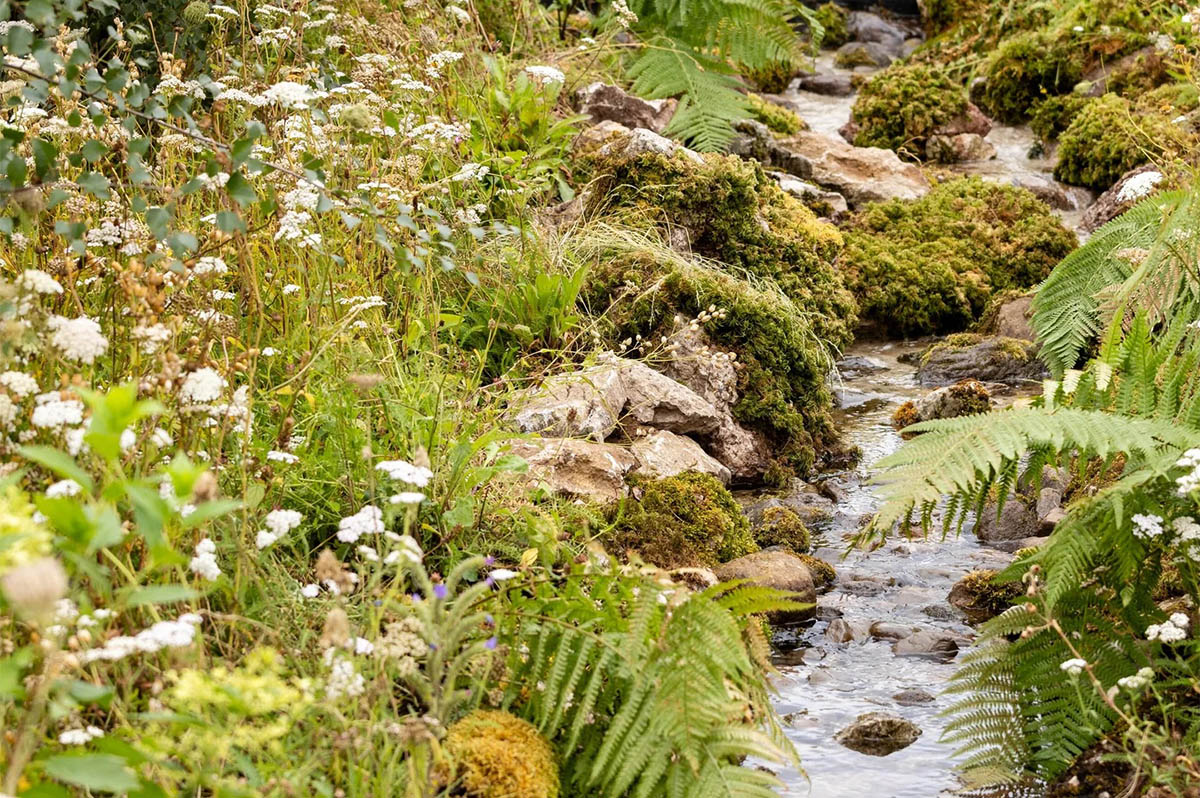
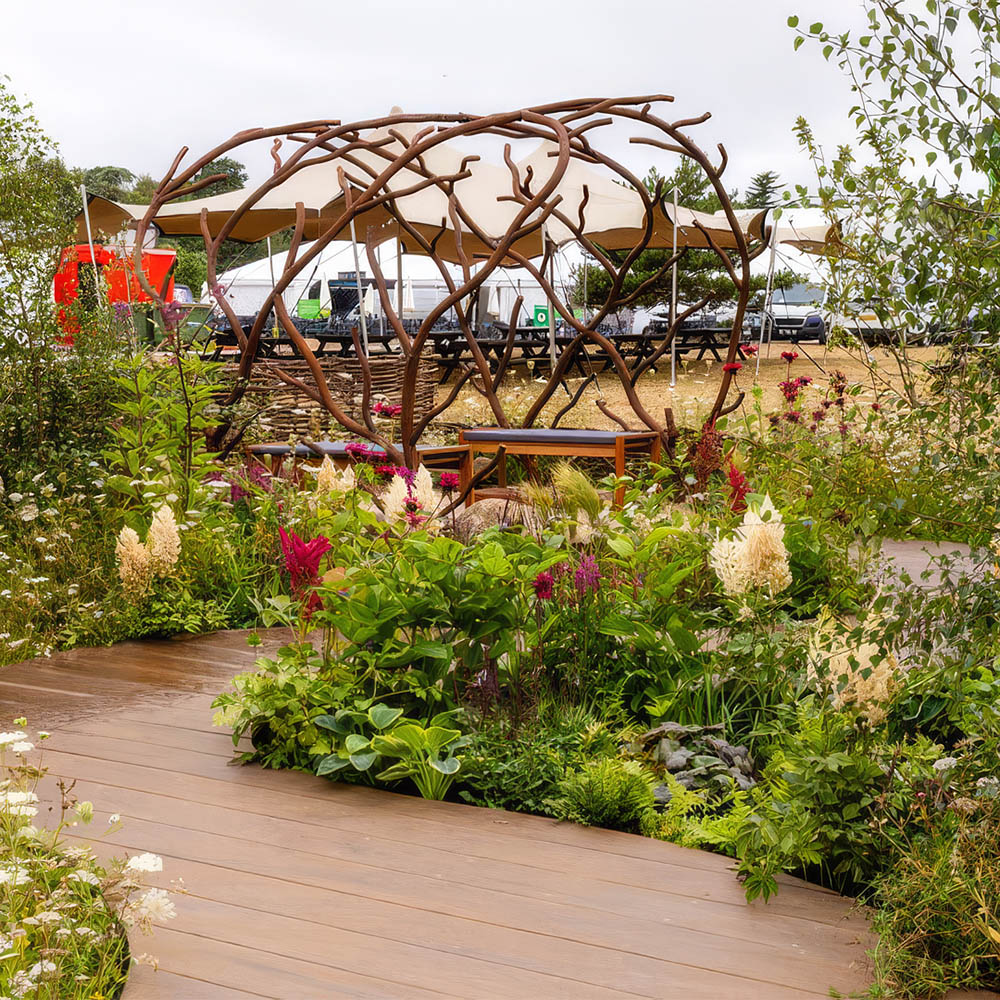
Mindful Meadowlands is a show garden designed to respond to both extremes of a changing climate, waterlogging in one season and drought in the next, while staying open and usable for everyone. Designed by Constructing Minds with Nature and built by Archway Green, it was awarded a Bronze Medal at RHS Flower Show Sandringham. Rather than being dismantled once the show closed, the garden is being relocated to Ascot Park to remain as a permanent public space.
Location
Sandringham, Norfolk (relocating to Ascot Park)
Client
Constructing Minds with Nature CIC
Sector
SANG & Natural Spaces
services
Show garden construction, composite boardwalk installation, gravel pathways, accessible walkways, tree planting, native wildflower meadow planting, relocation and rebuild
BUILDING FOR BOTH EXTREMES OF THE CLIMATE
Constructing Minds with Nature is a not-for-profit landscape studio that creates green space in the public realm for community wellbeing, with a focus on disadvantaged communities and on mitigating biodiversity loss and climate change. The brief for Mindful Meadowlands was to build a garden that answers both sides of a changing climate at once, coping with waterlogged soils and flash flooding in one season and prolonged drought in another. It also had to be genuinely accessible, usable in wet weather as well as dry, and built to a standard that would survive being lifted and rebuilt on its permanent site.
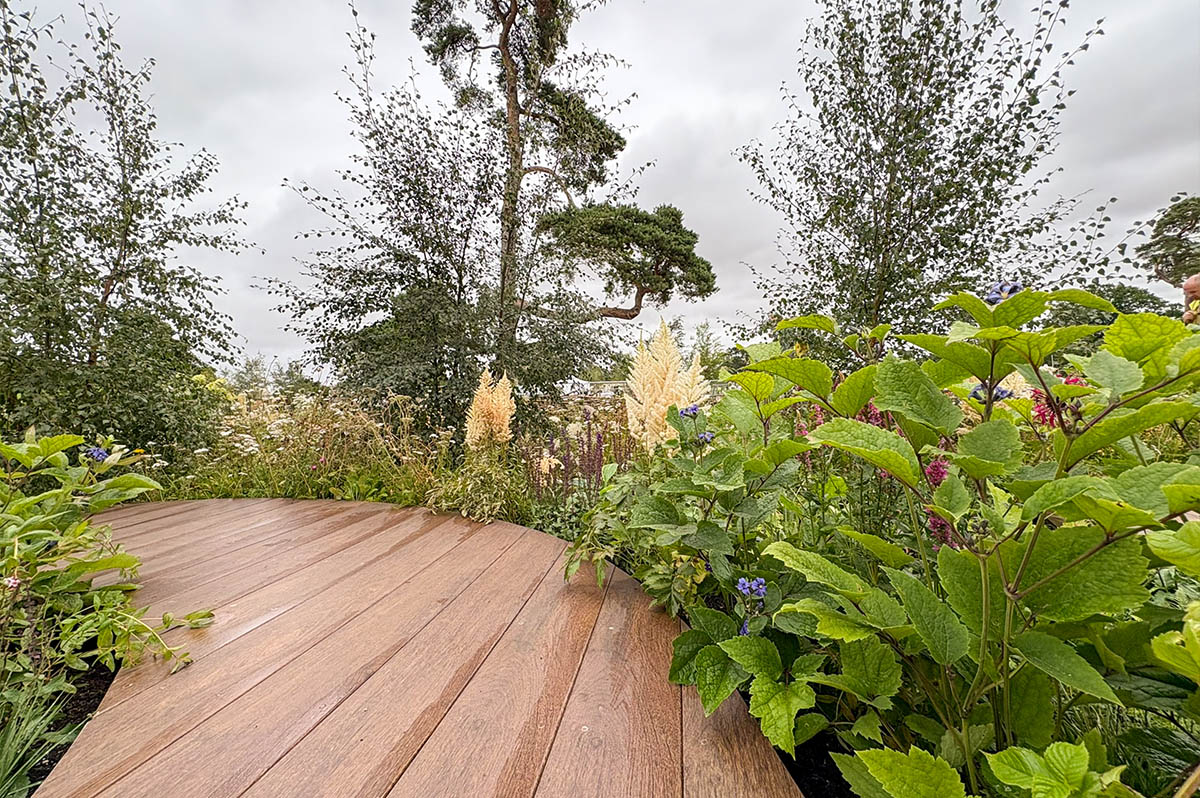
Every material was chosen for its environmental cost as well as its appearance. The boardwalk uses Pioneer Advanced Composite, made from a bamboo core mix and recycled plastic. It is wood free, so there is no deforestation behind it, and its built-in antibacterial properties resist odours, mould and allergens without chemical treatment. Manufacturing is solar powered, which keeps emissions and material waste down from the outset. Crushed gravel was chosen for the pathways for its drainage qualities, letting water through rather than shedding it onto the surrounding ground.
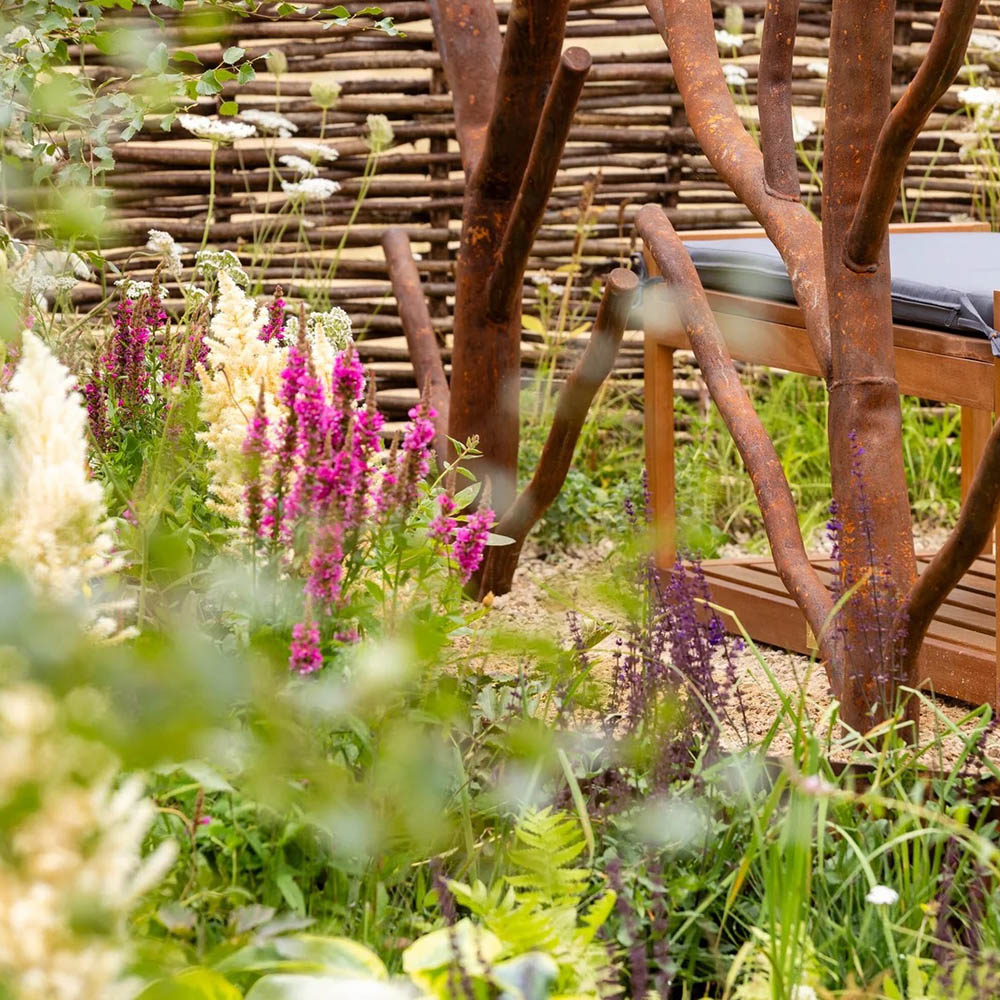
Access was designed in from the start rather than added on. Wheelchair-friendly gravel pathways run through the garden at ground level, with elevated walkways lifting visitors over the wettest ground. The point is that the garden stays open to everyone through the year, not only in the months when the soil happens to be dry.
PLANTING THAT EARNS ITS PLACE
A SHOW GARDEN DESIGNED TO LAST